Peace is not the absence of conflict — it is the presence of conditions that allow communities to resolve disagreements, rebuild trust, and move forward together. At Tunani Initiative, our Peacebuilding work is built on this understanding. We operate in contexts where social fragmentation, historical grievances, and political tensions have created real barriers to civic participation and community development.
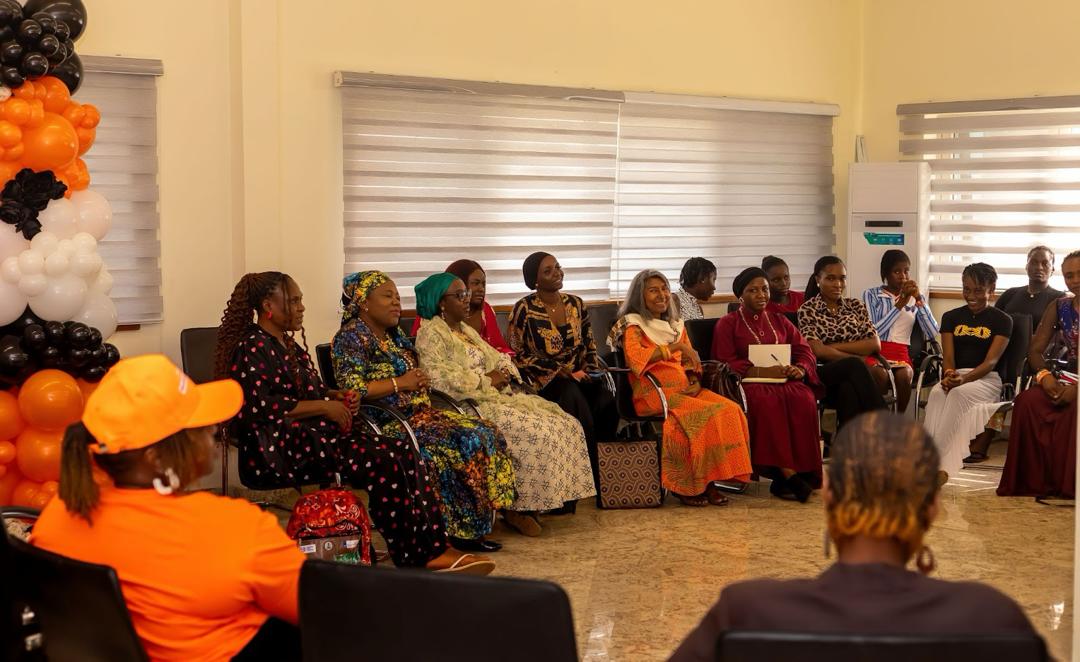
Our approach centres on dialogue, community-level engagement, and the strengthening of local capacities for conflict resolution. We work with community leaders, youth groups, women's organisations, and civil society actors to create spaces where difficult conversations can happen safely — and where shared solutions can emerge. Rather than imposing external frameworks, we draw on indigenous knowledge and community-led practices to build peace from the ground up.
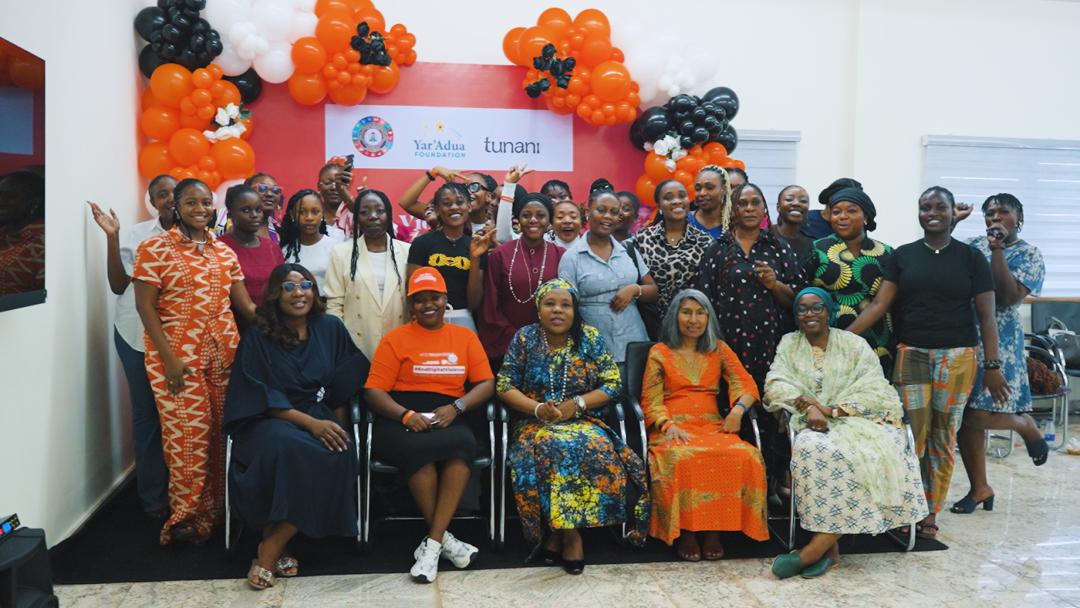
Tunani's peacebuilding programmes span multiple states and address a range of conflict drivers, including electoral violence, farmer-herder tensions, gender-based violence, and resource conflicts. We have facilitated hundreds of community dialogue sessions, trained local mediators, and produced research that has informed policy responses to conflict at both state and federal levels.
We understand that sustainable peace requires more than dialogue — it requires addressing the structural inequalities and governance failures that fuel conflict. That is why our peacebuilding work is integrated with our broader programmes on democracy and inclusion, women's rights, and information ecosystems. We believe that when communities are better informed, more equitably represented, and more capable of holding institutions accountable, the conditions for peace become more durable.
Women, Peace and Security
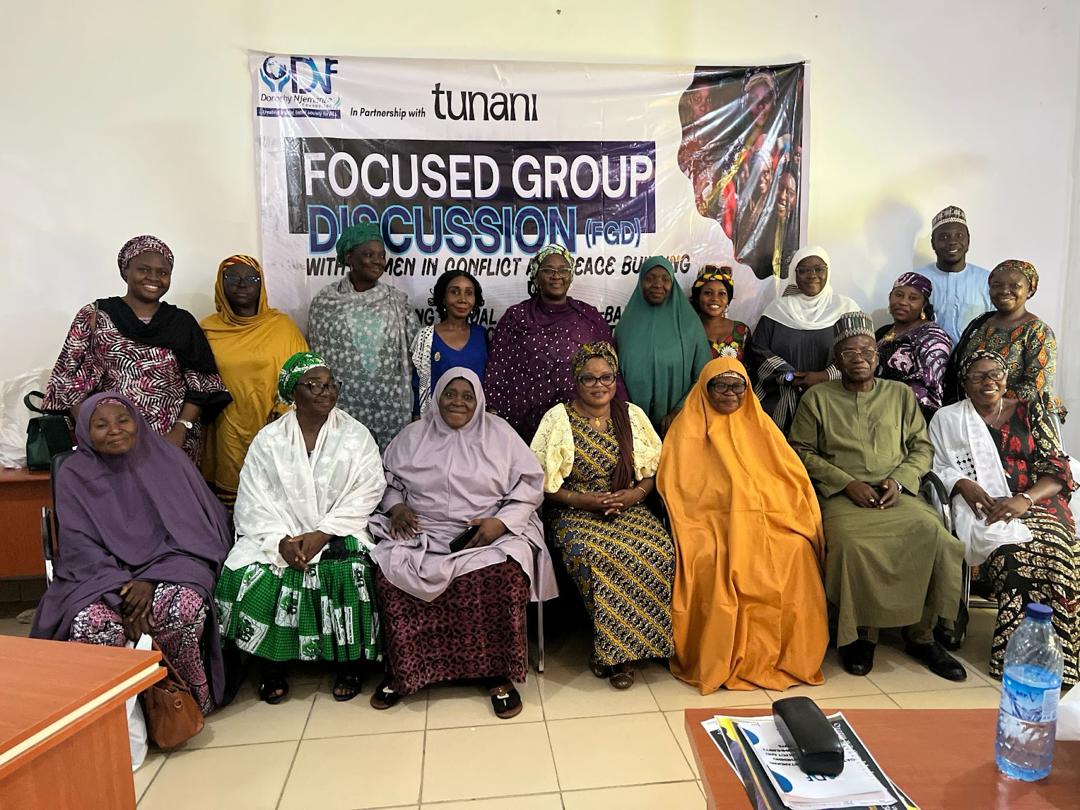
Women are disproportionately affected by conflict and are consistently underrepresented in formal peace processes. Tunani is committed to changing this. Our Women, Peace and Security work supports women's participation in community mediation, advocates for gender-sensitive approaches to conflict resolution, and documents women's experiences of violence and exclusion to inform advocacy and policy change.
Our 2025 research on Women, Peacebuilding and SGBV in Niger State brought significant evidence to light about the barriers women face in peace processes — and the powerful roles they already play informally. This research has opened new conversations with state government partners and development actors about how women's leadership in peacebuilding can be formally recognised and resourced.
Looking ahead, Tunani remains committed to expanding our peacebuilding footprint — deepening work in existing communities, building new partnerships, and continuing to generate the evidence base needed to make the case for community-centred, gender-inclusive approaches to peace in Nigeria.