The quality of public discourse shapes everything — from how communities respond to crises, to how citizens hold institutions accountable, to whether democratic processes produce outcomes that reflect real public interests. At Tunani Initiative, our Information Ecosystems work is built on the understanding that access to accurate, relevant civic information is not a luxury — it is a prerequisite for meaningful participation in any democracy.
Nigeria's information environment is complex and contested. Misinformation spreads rapidly through social media and messaging platforms, often exploiting moments of political tension or public anxiety. At the same time, many communities lack access to the reliable civic information they need to make informed decisions, engage with governance processes, or understand their rights. We work on both sides of this challenge — supporting the production and distribution of quality civic information, and building the capacity of citizens and communities to critically evaluate the information they encounter.

Our programmes include media and information literacy training for youth, community-based fact-checking initiatives, and the production of accessible civic education content in formats and languages that reach underserved audiences. We have worked with radio stations, community correspondents, and digital platforms to extend the reach of reliable information into communities that mainstream media often overlooks. Each project is designed not only to inform, but to build lasting local capacity for critical information engagement.
We also engage with the broader policy and advocacy dimensions of information ecosystems — contributing evidence to debates about platform accountability, digital rights, and the responsibilities of media institutions in a democratic society. Our research has documented patterns of misinformation during elections, tracked the spread of health-related false narratives, and examined how gender-based disinformation is used to silence women in public life.
Digital Violence and Online Civic Space
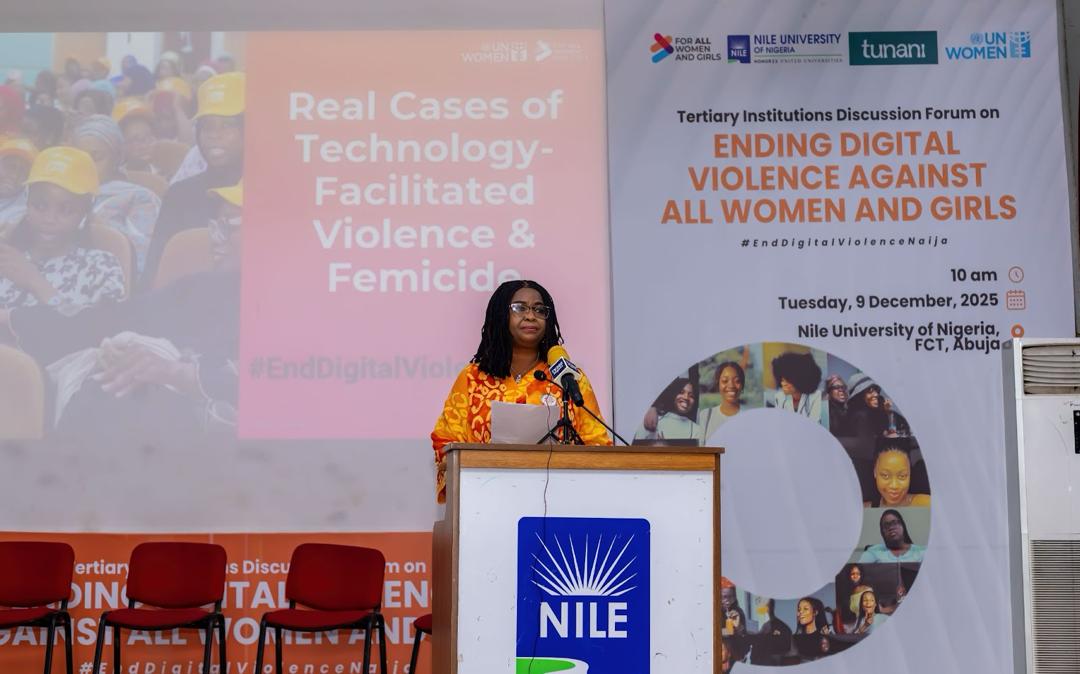
The digital public sphere should expand civic participation — but for many Nigerians, especially women and young people, it is also a space of harassment, intimidation, and targeted disinformation. Tunani's work on digital violence addresses the ways in which online abuse is used to push people — particularly women — out of civic and political spaces. Our End Digital Violence Naija initiative has brought students and young people into the conversation about online safety, consent, and the norms that should govern civic discourse online.
Through campus dialogues, digital safety workshops, and advocacy campaigns, we are working to shift the culture around online interaction and to build the skills that citizens need to protect themselves and participate safely in digital public life. We believe that a healthy information ecosystem is not just about the accuracy of content — it is about who feels safe enough to speak, and whose voices are amplified or suppressed.
As the digital landscape continues to evolve at pace, Tunani remains committed to staying ahead of emerging challenges — ensuring that the communities we work with have the tools, knowledge, and networks they need to navigate an increasingly complex information environment and to use it as a force for civic good.