


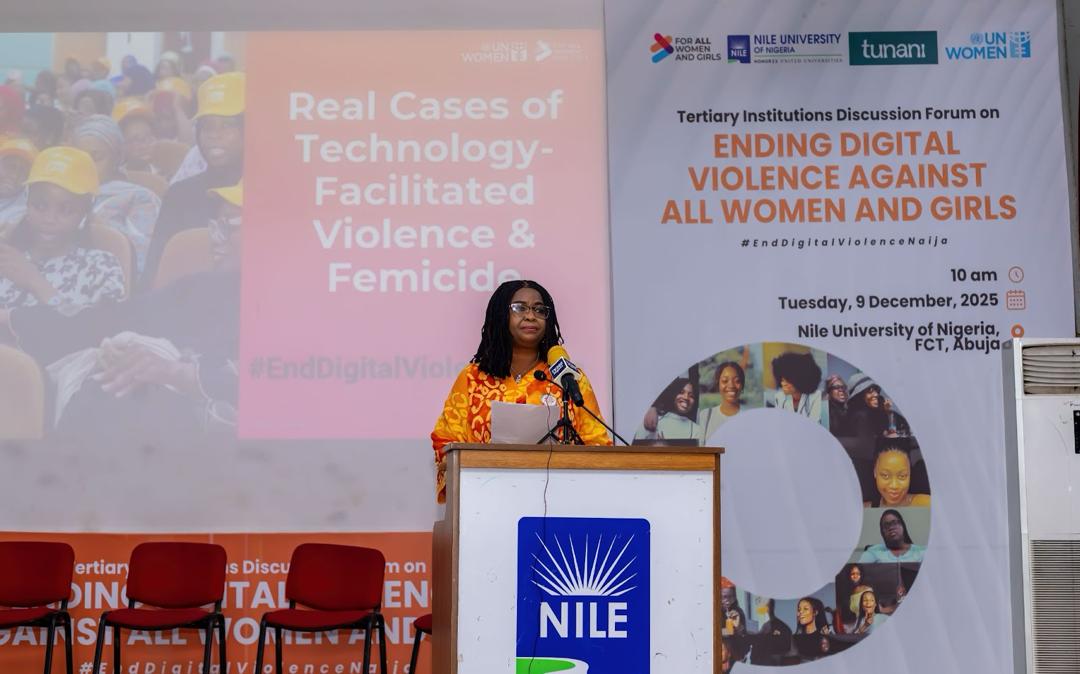
It started with a conversation. Not a lecture, not a formal presentation but students talking to each other. With a session at Nile University in Abuja, young people began sharing stories about something many had experienced but rarely discussed openly: Digital Violence. Online harassment, Fake accounts, Threatening messages, Stolen photos, Public humiliation.
For many students, these incidents had become so common that they were often dismissed as "just the internet." On the 9th of December, 2025, something shifted. Instead of laughing it off or scrolling past it, students began to confront the reality that digital abuse is not harmless and it is not inevitable.
That conversation became the heart of the #EndDigitalViolenceNaija campaign, a youth-led initiative that was designed to challenge the growing problem of technology facilitated gender-based violence in Nigeria. What unfolded showed the powerful role young people can play in changing the culture of the internet.
The Violence We Don't Always See
When people think about gender-based violence, they often imagine physical harm. But increasingly, violence is happening in digital spaces. Across the world, women and girls face harassment, cyberstalking, impersonation, image-based abuse and coordinated online attacks. These experiences can follow them into classrooms, workplaces and personal relationships. The effects are not just digital. They are deeply personal.
Students described feeling anxious opening their phones. Some withdraw from social media entirely. Others avoid participating in online academic spaces out of fear of being targeted. Yet, despite these consequences, digital abuse is still widely minimized. Many victims are told to simply block the offender or log off. However, students at the forum pointed out, the internet is no longer optional. It is part of everyday life. Logging off is not a real solution.
Why Universities Matter
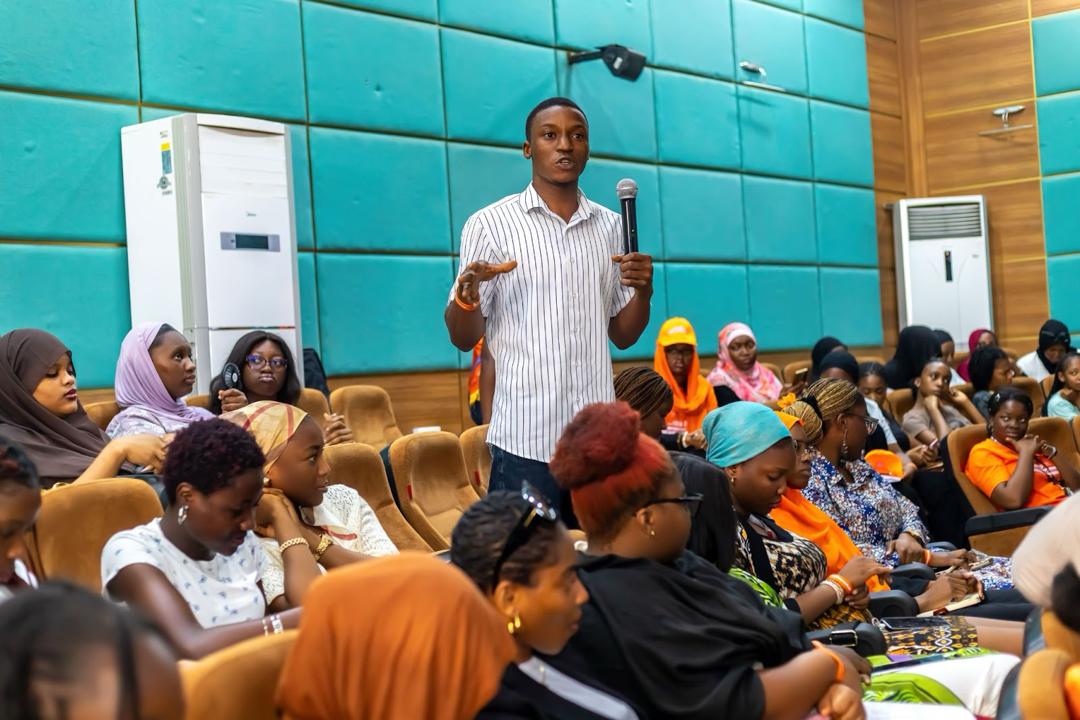
Universities are among the most digitally connected spaces in society. Students collaborate through messaging platforms, submit assignments online, network through social media, and build their identities in digital spaces. But universities are also where social norms are shaped. The behaviors students accept or challenge during these years can influence how they treat others long after graduation.
Recognizing this, the End Digital Violence Naija campaign focused on universities as critical spaces for prevention and change. The initiative also engaged students from several institutions, including the Nile University, University of Abuja, Veritas University, Bingham University and Ahmadu Bello University. The goal was simple but powerful: create a space where students could talk honestly about digital violence and imagine safer online cultures together.
Letting Students Lead the Conversation
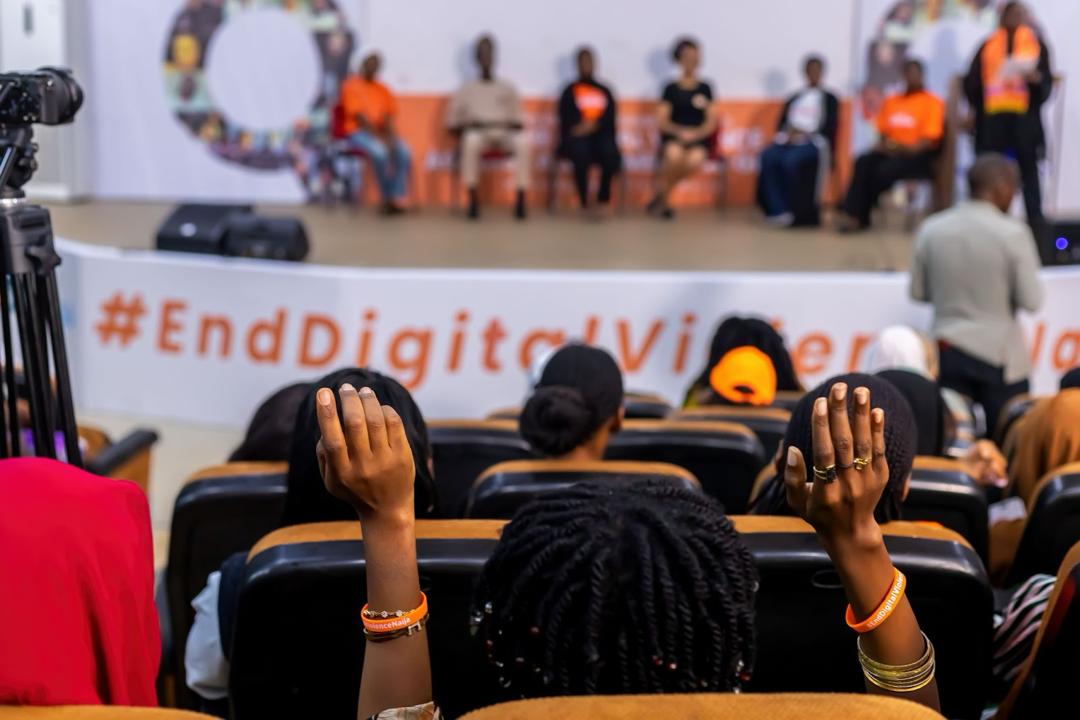
Unlike many awareness campaigns, the forum began not with experts, but with students. Participants shared personal experiences and observations about digital abuse on campus and online. Some spoke about harassment in group chats. Others described fake accounts used to spread rumors or intimidate women. Several mentioned the fear of speaking up because they were unsure where to report incidents or whether anyone would take them seriously.
For many in the room, it was the first time hearing these stories spoken aloud. One student later reflected: "Hearing other students talk about it made me realise I wasn't alone. It felt safe to finally acknowledge these experiences."
This student-led format created a level of honesty that traditional presentations rarely achieve. It also changed how the conversation unfolded. Instead of asking whether digital violence exists, participants began asking what could be done about it.
"Hearing other students talk about it made me realise I wasn't alone. It felt safe to finally acknowledge these experiences."
From Awareness to Accountability
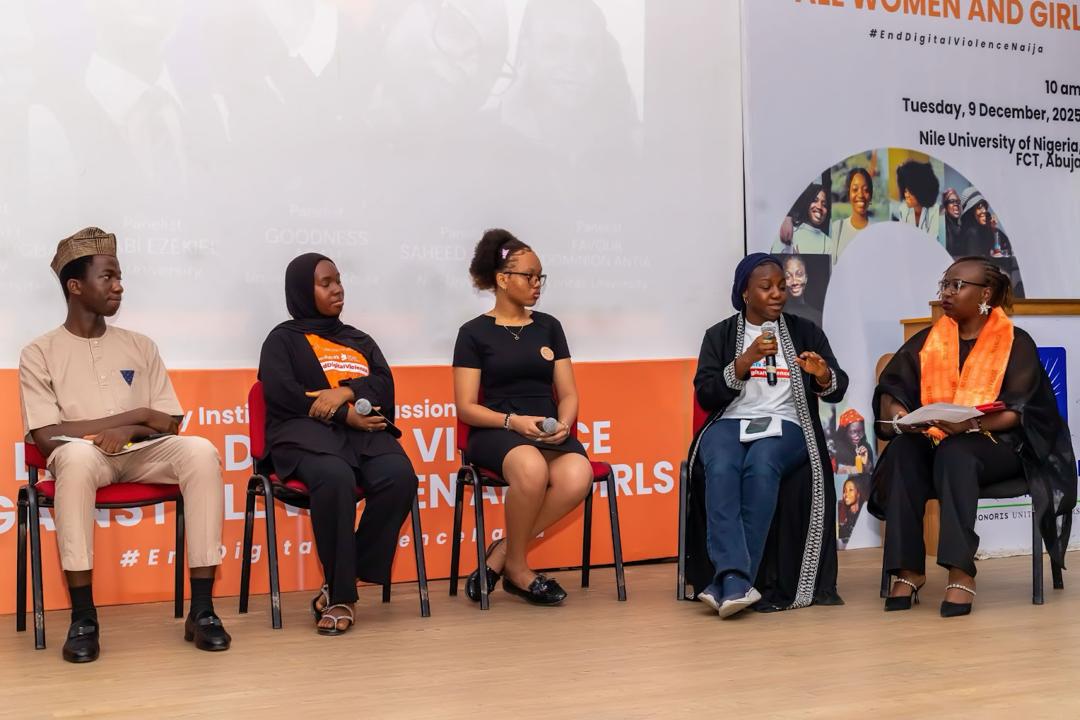
After the student panel, experts in cybersecurity, psychology, law and digital rights joined the conversation. But rather than delivering prepared speeches, they responded directly to the issues students had raised. They discussed the psychological toll of online harassment, the importance of confidentiality in reporting cases, and the need for stronger digital safety systems within universities.
One message came through clearly: digital safety is not just an individual responsibility, it is a collective one. This idea of peer accountability resonated strongly with participants. Moments where male students challenged harmful behavior among their peers were particularly powerful. "It was encouraging to see men speak up and correct each other," one participant said afterward. "It changed how I see accountability."
Those exchanges demonstrated something important: real change often begins when communities hold themselves responsible.
Creativity as Resistance
The campaign also invited students to respond creatively through a Creative Expression Challenge. Within just one week, participants submitted poetry, short films, stories, and visual artwork exploring themes of digital safety and online harm. The submissions were raw, honest and deeply personal. They revealed the emotional weight digital abuse can carry and the resilience students show in confronting it.
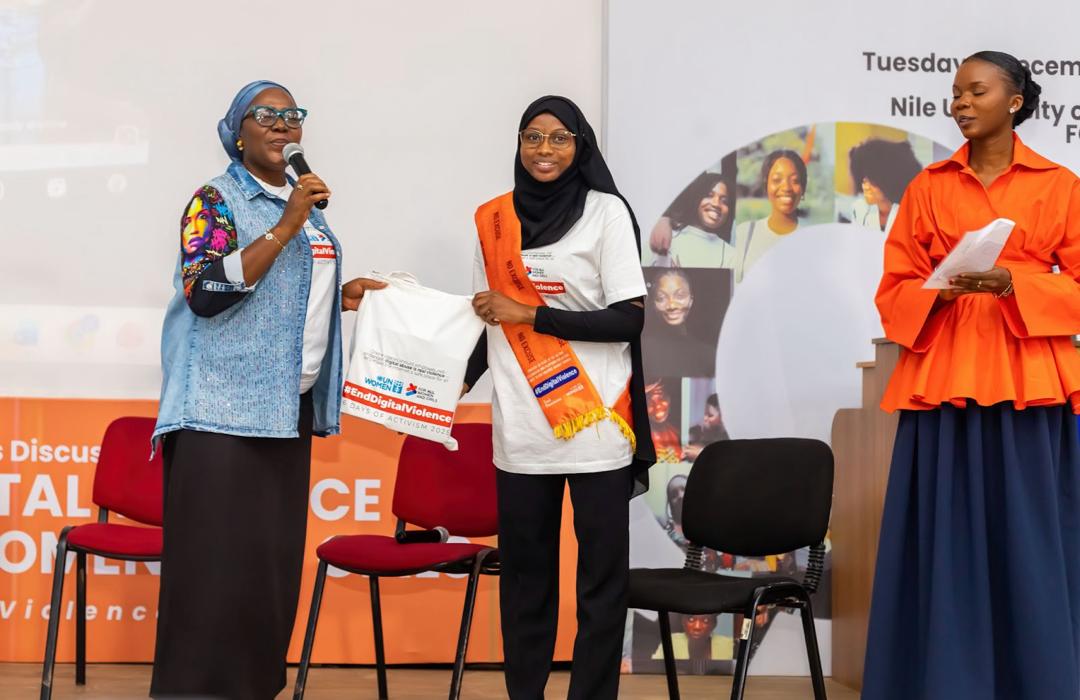
The challenge turned advocacy into something more than discussion. It became expression, storytelling, and solidarity.
Taking the Movement Online
While the forum anchored the campaign on campus, its message quickly spread online. Over sixteen days, students and volunteers produced more than a hundred pieces of digital content — videos, images, and reflections that amplified the conversation across social media platforms. The campaign generated over 26,000 views and impressions on social media.
But the numbers tell only part of the story. The most engaging posts were not polished graphics or statistics. They were clips of students speaking honestly about real experiences. People connected with authenticity. And that authenticity helped push the conversation far beyond the walls of the university.
What Changed?
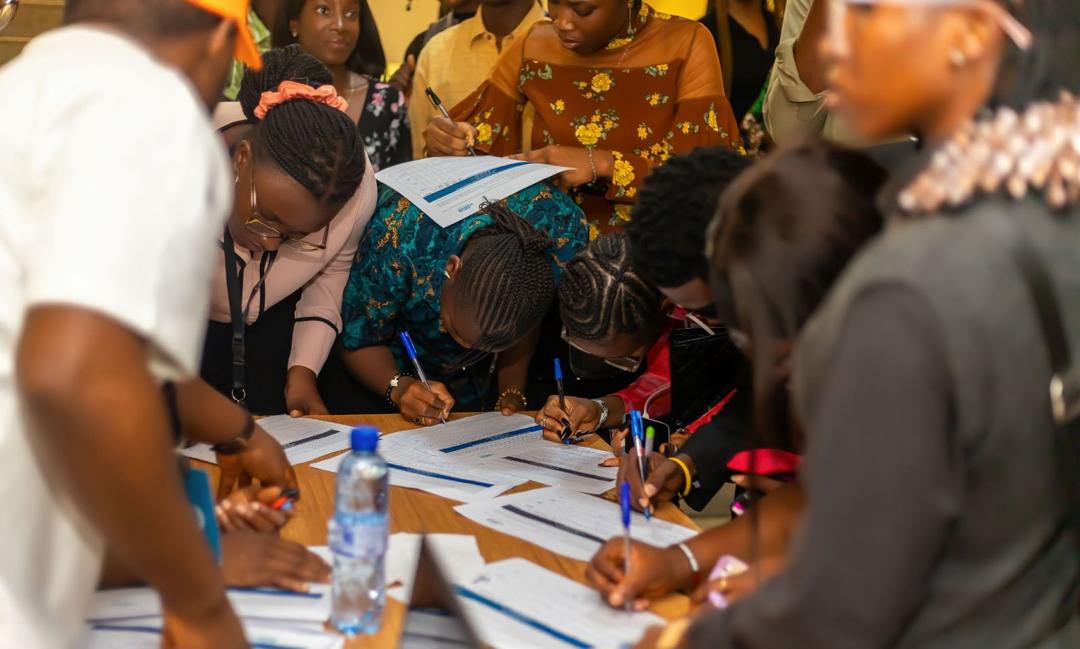
After the campaign, surveys revealed important shifts among participants. Students reported a stronger understanding of what digital violence actually looks like. They expressed greater confidence in protecting themselves online and supporting friends who might be experiencing abuse. Perhaps most importantly, many students said they now understood that digital violence can be reported and that support systems exist.
One participant summed up the transformation simply: "Before this forum, I knew digital abuse was wrong, but I didn't know what to do about it. Now I feel like I can actually respond."
A Beginning, Not an Ending
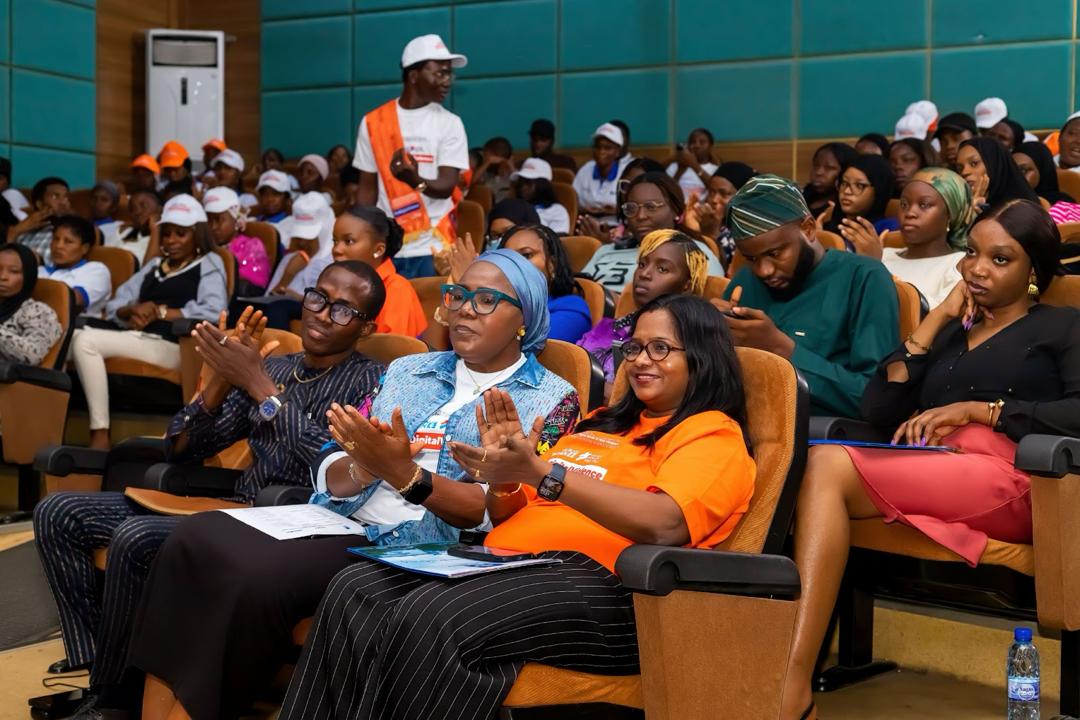
The End Digital Violence Naija campaign does not claim to solve the problem of online abuse. But it did something important. It created a space where students could acknowledge a reality many had been navigating alone — unacknowledged — and begin building solutions together.
Universities, after all, are not just places where knowledge is passed down. They are communities where new ideas about justice, responsibility, and respect are formed. If digital spaces are becoming arenas of violence, they can also become arenas of change. And as the students who gathered in that room in Nile University, Abuja showed, the next generation is ready to lead change.
