


"The whole world opened to me when I learned to read." — Mary McLeod Bethune
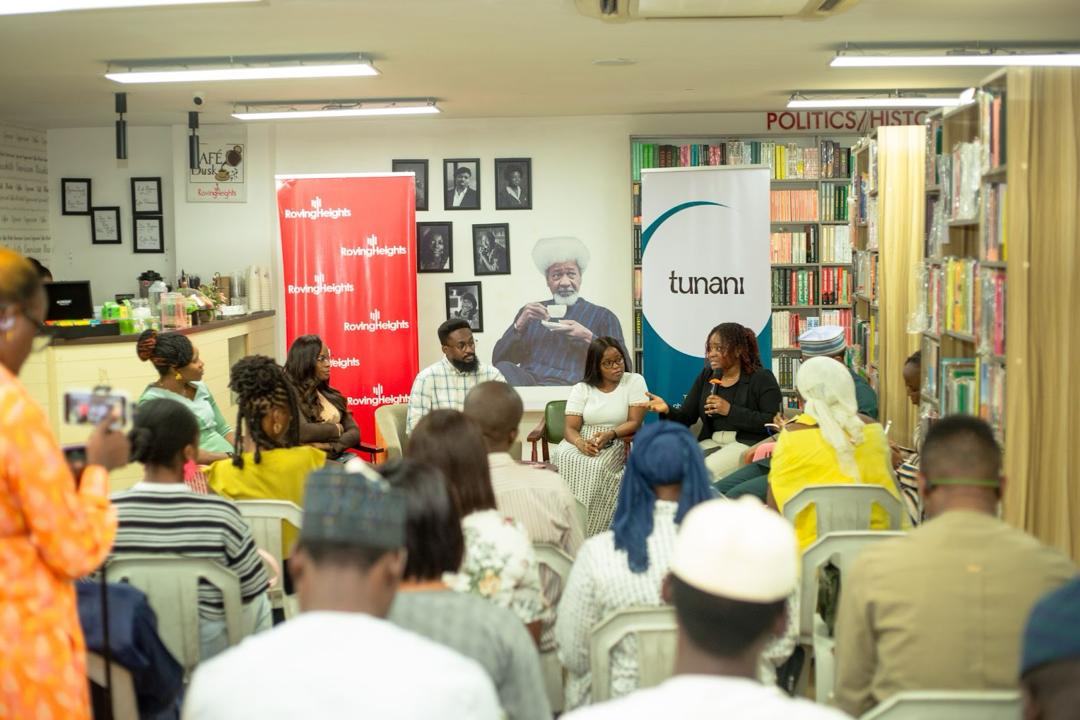
Our thoughts at Tunani are strengthened by information. On September 8, 2025, Tunani Initiative, in collaboration with RovingHeights Bookclub, hosted a literacy forum to mark International Literacy Day. The theme for International Literacy Day 2025 was "Promoting Literacy in a Digital Era."
The digital era, as some call the times we currently live in, is characterised by the widespread adoption and integration of digital technologies into the daily lives of individuals, one that is bringing down geographic barriers and promoting access, people and culture at an unprecedented rate. Currently, the world is crazed with understanding and gaining ground in Artificial Intelligence and with rapid digitisation of the world comes expansive opportunities for increasing the speed of knowledge turnover within society.
It is against this backdrop that the Literacy Forum launched, where I shared the sobering statistics of Nigeria's literacy crisis. The statistics shared were a reminder of the work ahead: With reported figures ranging from 10 million to 18 million. According to UNESCO, 10.5 million children aged 5 to 14 remain out of school in Nigeria, and adult literacy hovers around 63% — one of the highest in the world.
Gathered in RovingHeights Bookclub in Garki were over 40 teachers, students, policy makers, researchers and policy makers. In that space, panelists and participants at the forum made it clear, literacy in 2025 isn't just about being able to read a sentence; it's about access, identity, and surviving in a digital world. The panel session and literacy forum were moderated by Alhassan Pereira Ibrahim and Dr. Mercy Kwabe, respectively, steering discussions that drew key takeaways from a conversation that were as challenging as they were eye-opening.
Literacy is More Than Just English
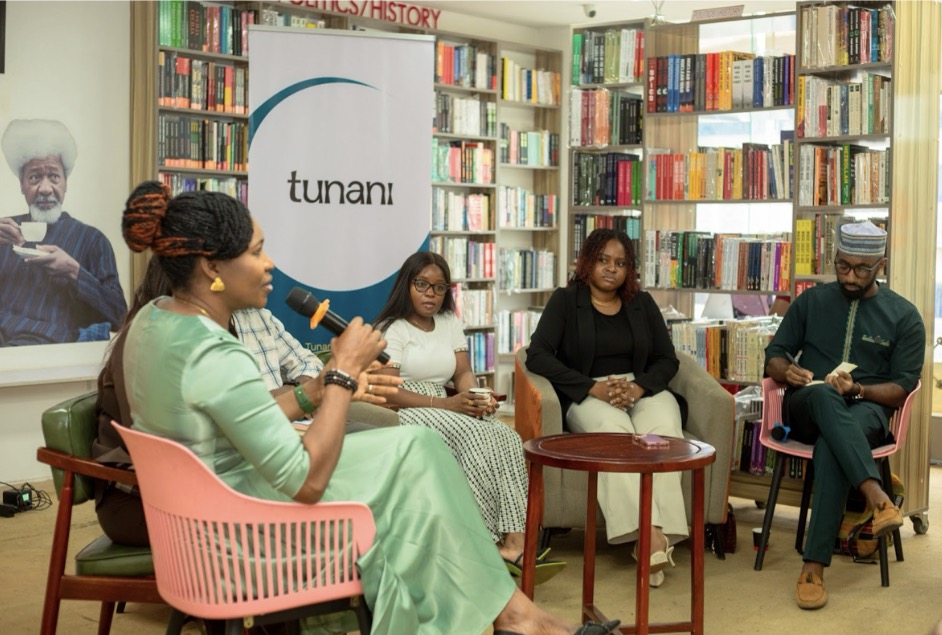
One of the most debated topics was the dominance of the English language. While English remains the official lingua franca in Nigeria, panelists argued that excluding indigenous languages creates a massive barrier to learning. On this note, specialist teacher Ruth Kehinde noted that for children with special educational needs (SEN), literacy might mean understanding facial expressions or sign language. Therefore, redefining our understanding of literacy is critical for inclusion and for leveraging the fruits of the digital era, such as text-to-speech technology.
Expanding on the definition of literacy, Sandra Onojetah highlighted the "Learning to Do" philosophy. She emphasised that literacy should be defined as learning to do — the ability to take knowledge and create something with it, regardless of the language used.
Introducing a practical example of what it means to broaden literacy beyond the English language, an education specialist in the development sector, Mndepawe Jonah, shared that some development projects in Nigeria are now mandated to translate manuals and videos into Hausa, Igbo, and Yoruba, Nigeria's three major languages, to ensure students, especially those in the science workforce, are not left behind simply because of a language barrier.
The Digital Divide: Subscriptions vs. Reality
Omoniyi Lawson, a digital development practitioner, provided a fascinating look at Nigeria's digital landscape. While Nigeria has over 258 million active mobile subscriptions — more than its estimated population — true digital inclusion is still far off. Examining the barriers, he noted that the real issues are the cost of data and the cost of devices, signalling a major entry barrier to the use of technology. With a minimum wage (seventy thousand naira) that does not even cover a mid-range smartphone, many people are "digitally excluded" despite having access to a mobile device.
Lawson expanded his discussion beyond mobile phones as access tools to the digital world by introducing the forum to the "Talking Pen" innovation. Lawson's organisation (AREAi) won a UNESCO prize for its use of the Talking Pen — a device that recognises text in a book and plays audio in both English and indigenous languages in rural literacy interventions. He noted that in just six months, this tool helped boost literacy from under 10% to 78% in a pilot programme implemented by AREAi.
With a minimum wage that does not even cover a mid-range smartphone, many people are "digitally excluded" despite having access to a mobile device.
Where Are Our Stories?
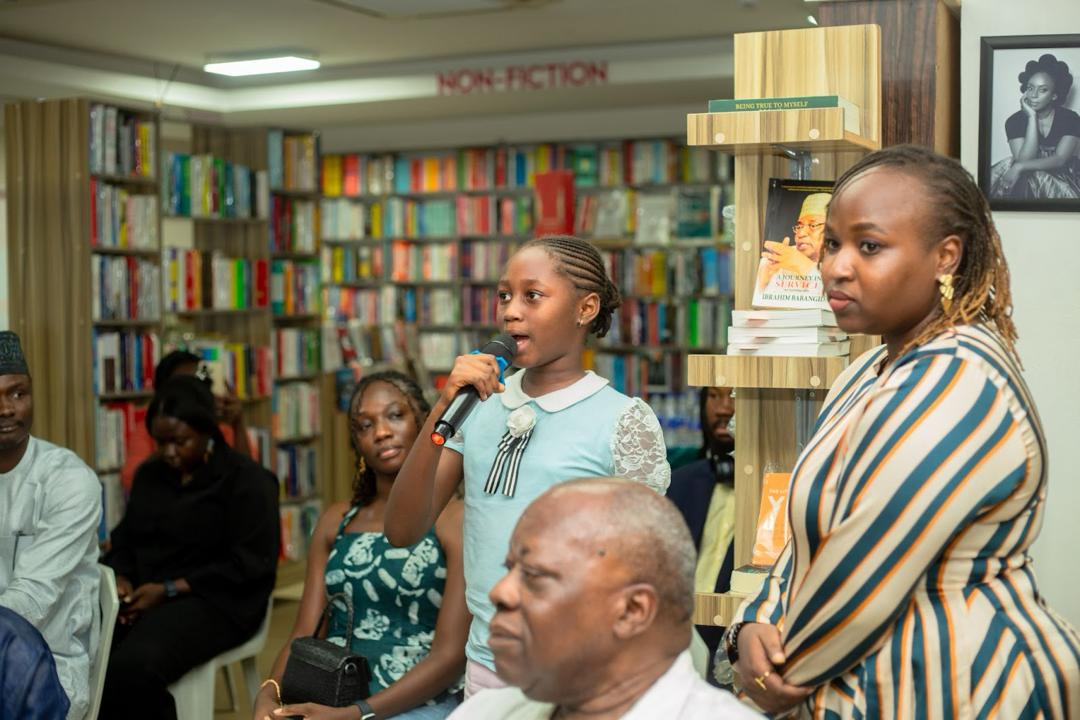
A poignant part of the discussion focused on the lack of culturally relevant books for children. Coining it the "Snow Problem," Sandra pointed out that Nigerian children often know more about snow and summer from foreign books than they do about their own environment. In response, other panelists and participants reflected on the tone of African literature. They observed that many African stories are "treacherous" or "depressing," often ending in tragedy or warnings.
This might be true for more contemporary African literature. However, I remember growing up in the late nineties and early two thousands reading light-hearted folklore and tales set in the animal kingdom that always left me entertained and with a moral lesson. There was consensus in the room on the desperate need for hopeful, illustrated, and glossy books that capture the Nigerian imagination without always serving as a "corrective" moral lesson. It is my guess that participants were hoping for African literature that prioritises knowledge and education over moral messaging.
Lessons from History
The forum took a turn toward history when retired professor of political science, Jibrin Ibrahim, one of Nigeria's foremost political thought leaders, shared the story of Nigeria's 1976 Universal Primary Education (UPE) scheme. It was a landmark policy aimed at making primary education free and accessible to all Nigerian children. Introduced under General Olusegun Obasanjo's military government, it formed part of a broader drive for national development through education. However, the project largely failed because the government did not plan for the number of teachers needed, leading to the emergence of what were popularly called "etc-etc teachers" — people who were in classrooms but could not actually teach. This history serves as a warning that policies without proper implementation and budgeting are just words on paper. For the education crisis in Nigeria to be solved, there is a need for actionable policies backed by clear and achievable implementation roadmaps.
The Elephant in the Room – AI
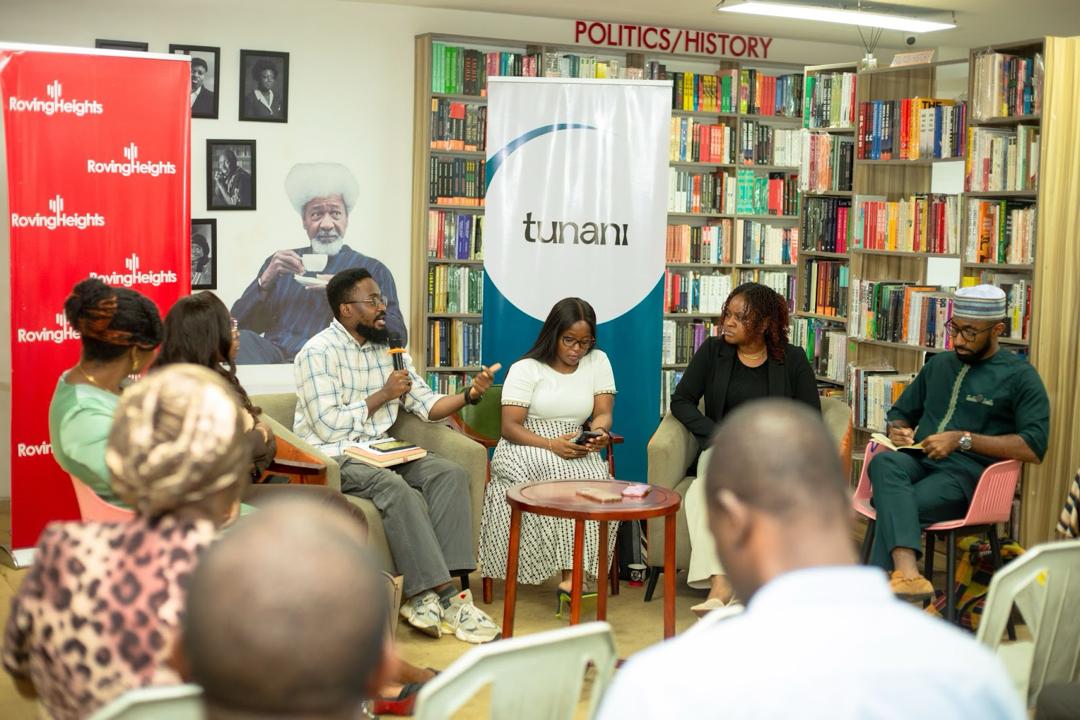
With the rise of ChatGPT, the room was split. Some participants expressed fear that AI is "doing more" and that there is currently no proper framework for its use in schools. However, others argued for acceptance, bringing the room to a consensus that we should not run from AI. Rather, we should teach children to critique AI-generated content and use it as a tool to develop their own voices.
Look Across the Road
The reality of Nigeria is that while we sit in air-conditioned rooms discussing issues and proffering possible policy solutions, across from us is the heartbreaking truth that we discuss, alive beyond our words. These are living realities that you and I may never truly grasp. The most moving moment came from Shuwargwe Damak, who noted that while she lives in a "nice" estate in Games Village, there is an IDP camp right across the road where children born into displacement do not have access to education.
Literacy is not a distant, abstract problem for the government to solve; it exists in our immediate surroundings. Whether it is advocating for better use of the Universal Service Provision Fund (USPF), which has already fitted over 1,000 schools with technology that often goes unused — or simply educating a child, we all have a role to play.
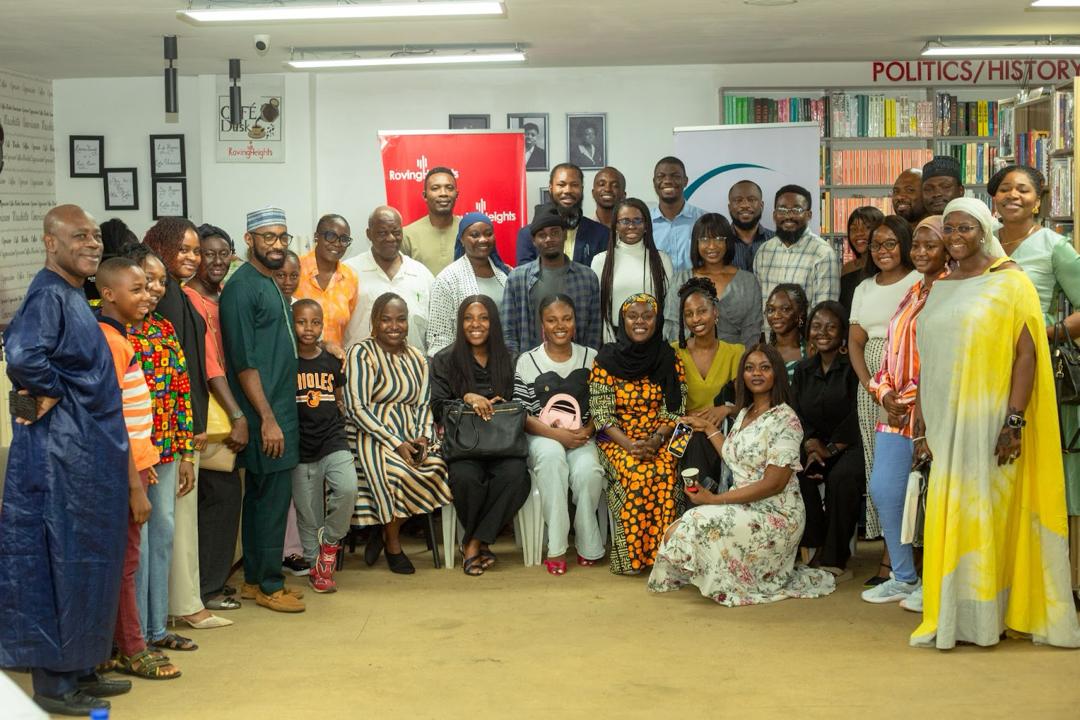
The forum concluded on this note: "Language is identity. Language is the food that we know." By embracing our local context and the digital now simultaneously, we can ensure that literacy is not a privilege but a foundation for every Nigerian child.
Two articles emerged from forum participants that we found exciting to read, and we hope that you do too.
Tunani thinking on digital technology and addressing Nigeria's education crisis, By Jibrin Ibrahim — premiumtimesng.com
