


Why the Dialogue Was Important
Gender-based violence in Nigeria has remained both prevalent and profoundly established, fed by overlapping social, cultural, and systemic dynamics that cut across different generations. While years of advocacy have spurred public awareness and resulted in crucial policies like the VAPP Act, the personal experiences of many women and girls continue to reveal troubling and chronic gaps in prevention, protection, and accountability.
In many societies and institutions silence about abuse is passed down from generation to generation, encouraged by practices that set family and religious prestige, "honour", and male authority above women's safety. At the same time, younger generations are challenging traditional norms in novel ways, through public storytelling and demands for systemic reforms. This generational shift has created opportunities in the overall struggle to end violence against women. Older advocates bring decades of institutional knowledge, policy experience and movement building, whereas younger activists are expanding the conversations into digital spaces like Twitter and also challenging long-standing cultural assumptions about gender, power and accountability.
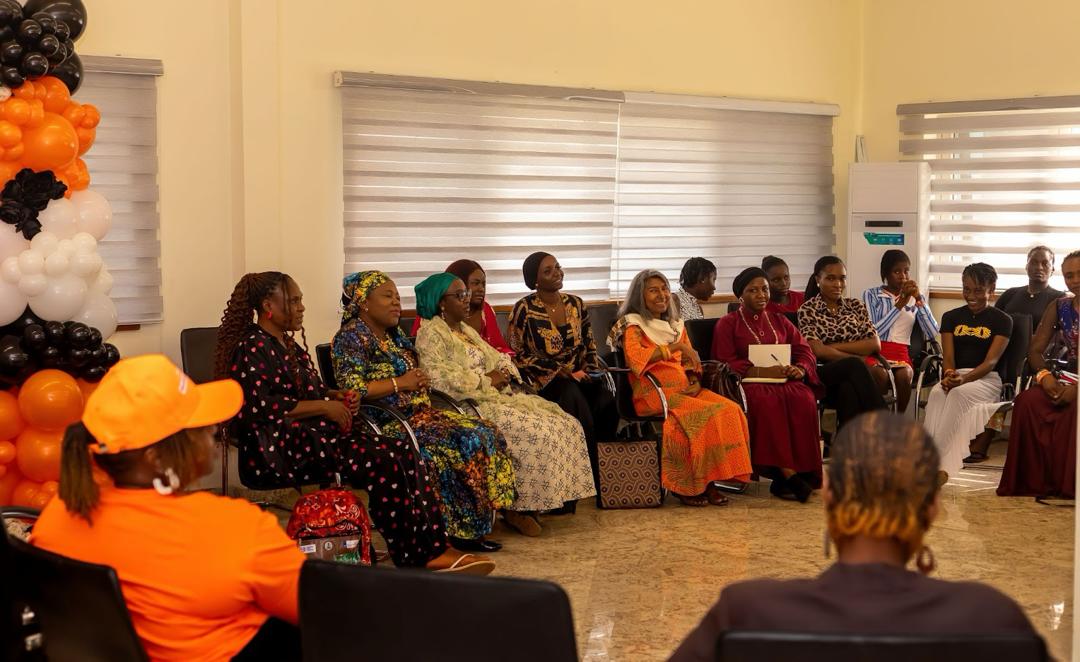
Creating spaces where these perspectives can intersect is essential to ending GBV. It was within this context that Tunani Initiative conveyed the Ending Violence Together Intergenerational Learning and Sharing Dialogue. The event, held on 12 December 2025, convened women and girls from across generations at the Yar'Adua Centre in Abuja for a salient dialogue on ending gender-based violence in Nigeria. Organised in partnership with the Shehu Musa Yar'Adua Foundation and supported by the Senate Committee on Women Affairs, the convening brought together activists, students, policymakers, and civil society leaders to reflect on the realities of violence against women and the urgent need for collective action.
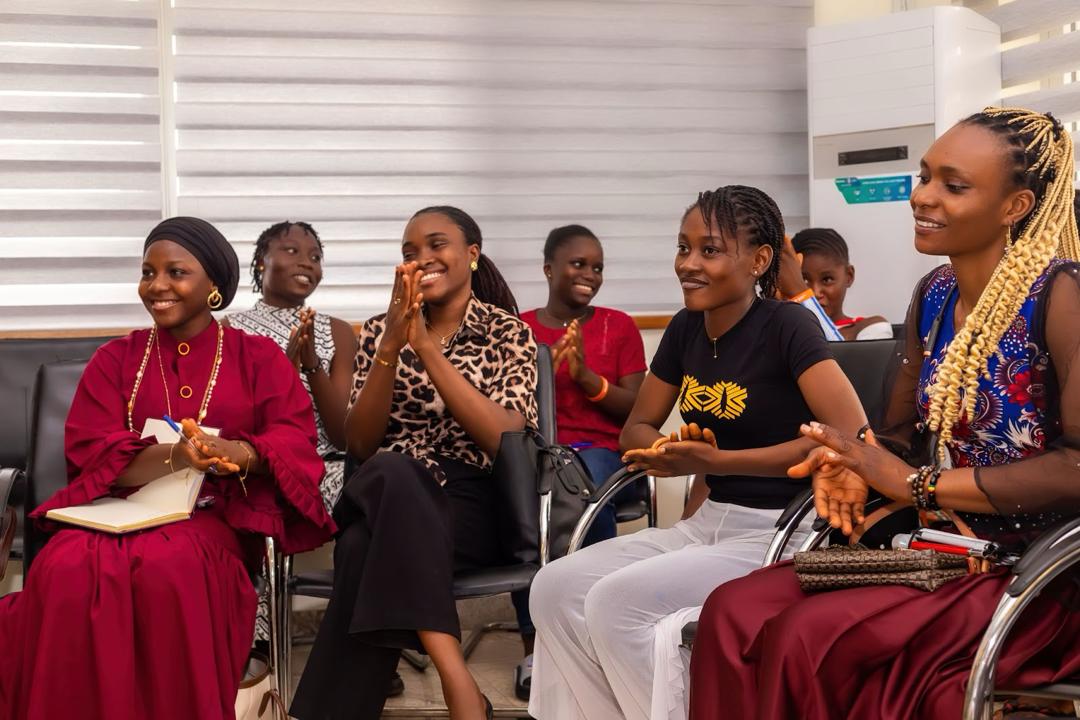
Unlike conventional meetings, the dialogue prioritised honest and open discussions. The tone was candid, emotional, and solutions-oriented. Participants moved from personal testimony to structural critique, from frustration to commitment. Participants discussed the difficulties of assisting survivors, the development of digital violence, generational tensions within feminist movements, and the role of men and boys in violence prevention through moderated conversations and storytelling.
Princess Edna Didi Azura, National President of the National Council of Women Societies of Nigeria, opened the session by situating the conversation within decades of advocacy. She reminded participants that the struggle to end violence against women in Nigeria has been ongoing for more than sixty years. Her remarks also raised an uncomfortable question: why has progress been so slow?
Supporting Survivors is More Complex than it Appears
One of the first conversations touched on a difficult question: what happens when a victim of abuse returns to the person who assaulted them? A participant gave a personal story of sheltering a friend who had fled an abusive relationship, only for the friend to bring the abuser to the safe house several days later. What felt like betrayal rapidly turned into a deeper conversation about the realities of abuse.
Several attendees also emphasised that leaving an abusive relationship is rarely easy. Survivors may return several times before leaving permanently, frequently because of emotional attachment, economic dependency, fear, or concern from children. The conversation questioned the concept of the "perfect victim". Survivors do not always behave in the manner that others expect, so assistance should be compassionate, non-judgemental, and trauma-informed.
The Hidden Toll on Women Responding to Violence
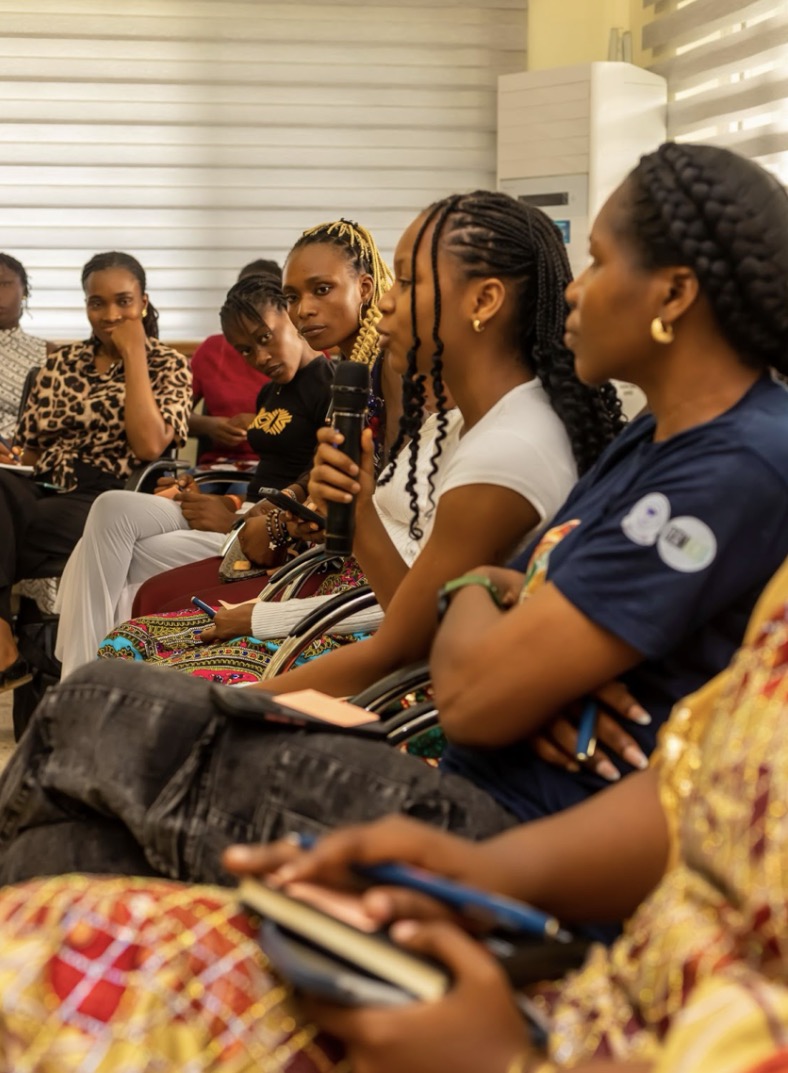
For many women in the room, responding to gender-based violence is not simply a job; it is a deeply personal commitment. One responder recalled receiving a late-night message from a young woman who had been blackmailed with intimate images and was contemplating suicide. The responder stayed on the phone with her, offering support until the crisis passed.
Stories like this highlighted the emotional weight carried by frontline responders. Many provide support to survivors without access to mental health care, peer supervision, or institutional resources. The conversation reinforced the rapid need to invest in the wellbeing of those doing GBV response work.
Many provide support to survivors without access to mental health care, peer supervision, or institutional resources. The conversation reinforced the rapid need to invest in the wellbeing of those doing GBV response work.
Digital Spaces are Becoming New Sites of Violence
Another major theme was the rise of online violence against women. Participants described experiences ranging from cyber-flashing and body-shaming to coordinated harassment campaigns against women who speak out publicly. Several referenced the intense online backlash faced by Senator Natasha Akpoti-Uduaghan after she publicly addressed allegations of abuse. The attacks illustrated how digital platforms can amplify victim-blaming and discourage women from speaking up.
Participants stressed that online violence should not be dismissed as "internet drama". It has real consequences, driving women out of public spaces and limiting their participation in the digital economy and civic life.
Closing the Gap Between Generations
One of the most engaging segments of the dialogue explored tensions between younger and older activists. Younger participants expressed frustration with approaches they considered outdated, including respectability politics and gender-segregated advocacy spaces. Older participants, meanwhile, raised concerns about the rise of performative activism online — campaigns that generate visibility but lack strategy or follow-through.
Despite these differences, both groups agreed on one thing: the movement needs both generations. Younger activists bring energy, digital fluency, and boldness, while older advocates contribute institutional knowledge and policy experience.
The Unavoidable Question: What About the Boys?
Perhaps the most striking moment came when an older participant asked a simple question: "What are we doing about the boys?" The room fell silent before the discussion began. Participants reflected on how gender norms are often fortified within families, where boys are excused from responsibilities and raised with a sense of entitlement. Many agreed that relevant prevention must include educating boys and men about consent, respect, and equality. Ending gender-based violence cannot be the responsibility of women alone.
Public Commitments for Change
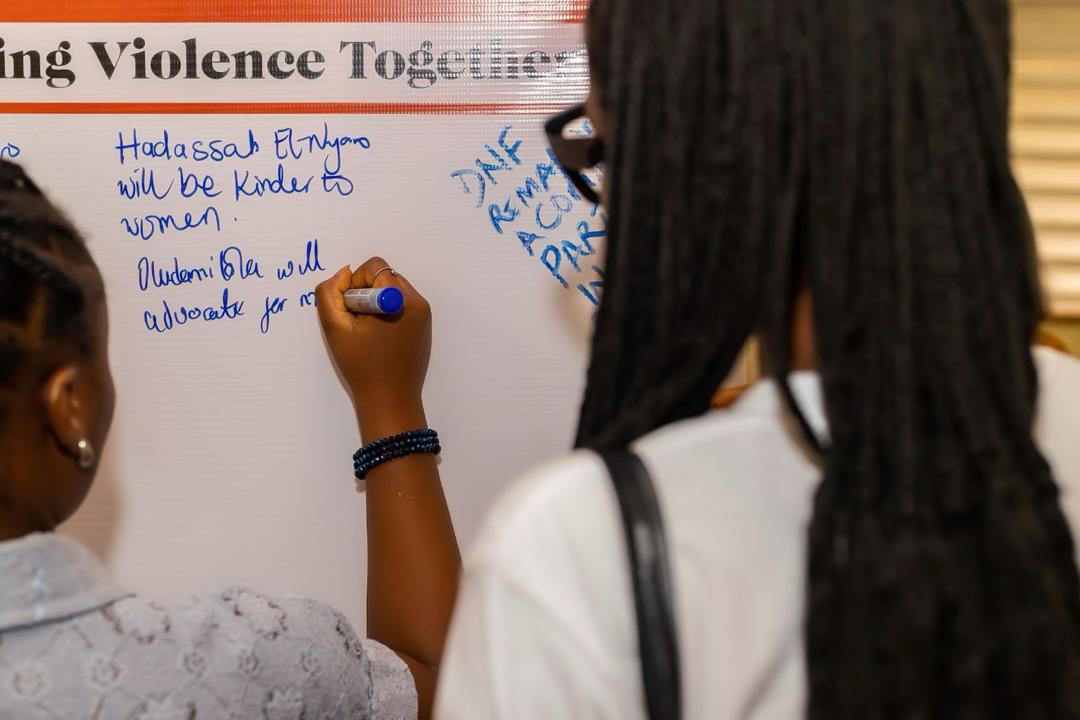
The dialogue ended with participants making public pledges, each woman committing to one concrete action to make Nigeria safer for women by 2026. These commitments ranged from providing legal support to survivors and reporting online violence to advocating for gender policies and challenging unequal norms within their communities. The pledges were signed and displayed publicly, serving as both a symbolic and practical commitment to collective action.
Reflections
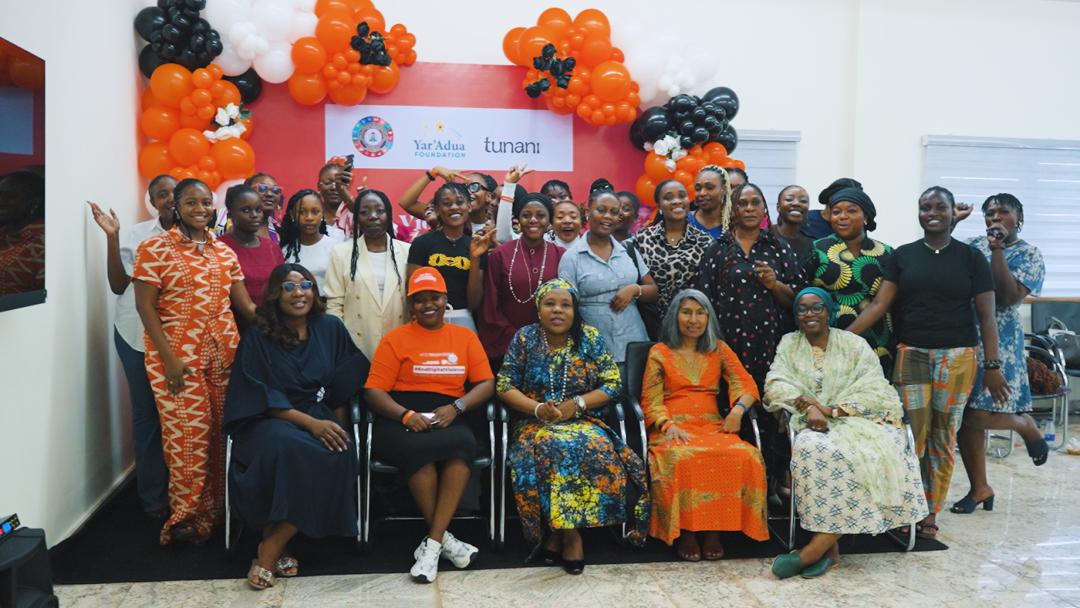
As the session ended, participants lingered, taking photographs, exchanging contacts, and holding conversations that felt too important to end abruptly. The room slowly emptied, but the weight of what had been shared remained. Because the stories told that day were not simply stories. They were reminders of how deeply gender-based violence is woven into everyday life and of how urgently it must be confronted.
Ending violence against women in Nigeria will require more than laws on paper. It will require courage in homes, accountability in institutions, solidarity among women, and a generation unwilling to inherit silence. The dialogue at the Yar'Adua Centre was only one conversation — but it was one worth having.
